Smell Therapy Kit
Smell Therapy Kit
Support your sense of smell with our Smell Therapy Kit, a curated collection of distinctive aromas designed to help you retrain your nose, rebuild scent memory, and explore the world of fragrance with greater clarity. Perfect for those recovering their sense of smell or looking to strengthen olfactory awareness, this kit introduces the foundational scent categories used in smell therapy.
Featuring pure essential oils that represent the core odor families of the traditional Odor Prism, this kit helps stimulate your neural pathways and improve your ability to detect, classify, and differentiate between scents. Whether you’re beginning your smell recovery journey or looking to sharpen your scent recognition skills, this kit provides a structured, research-backed way to engage your olfactory system.
Couldn't load pickup availability
Benefits
Benefits
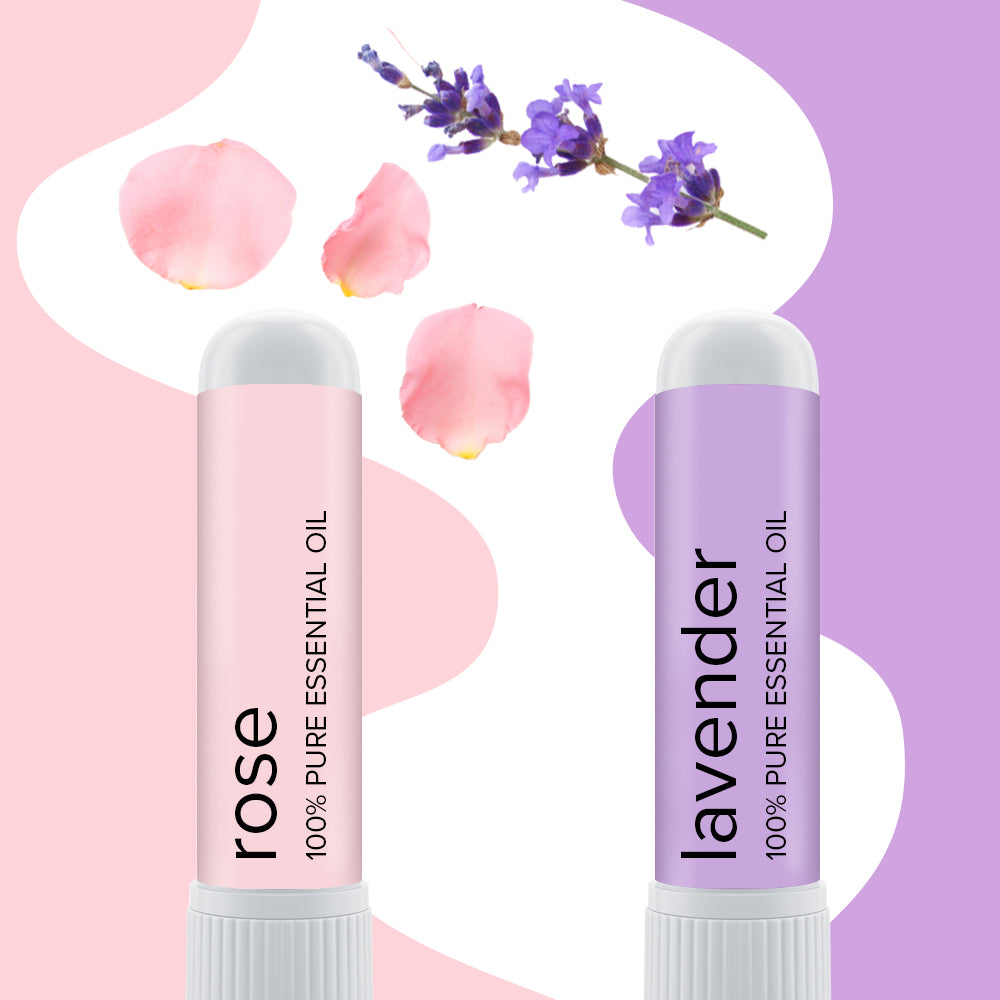
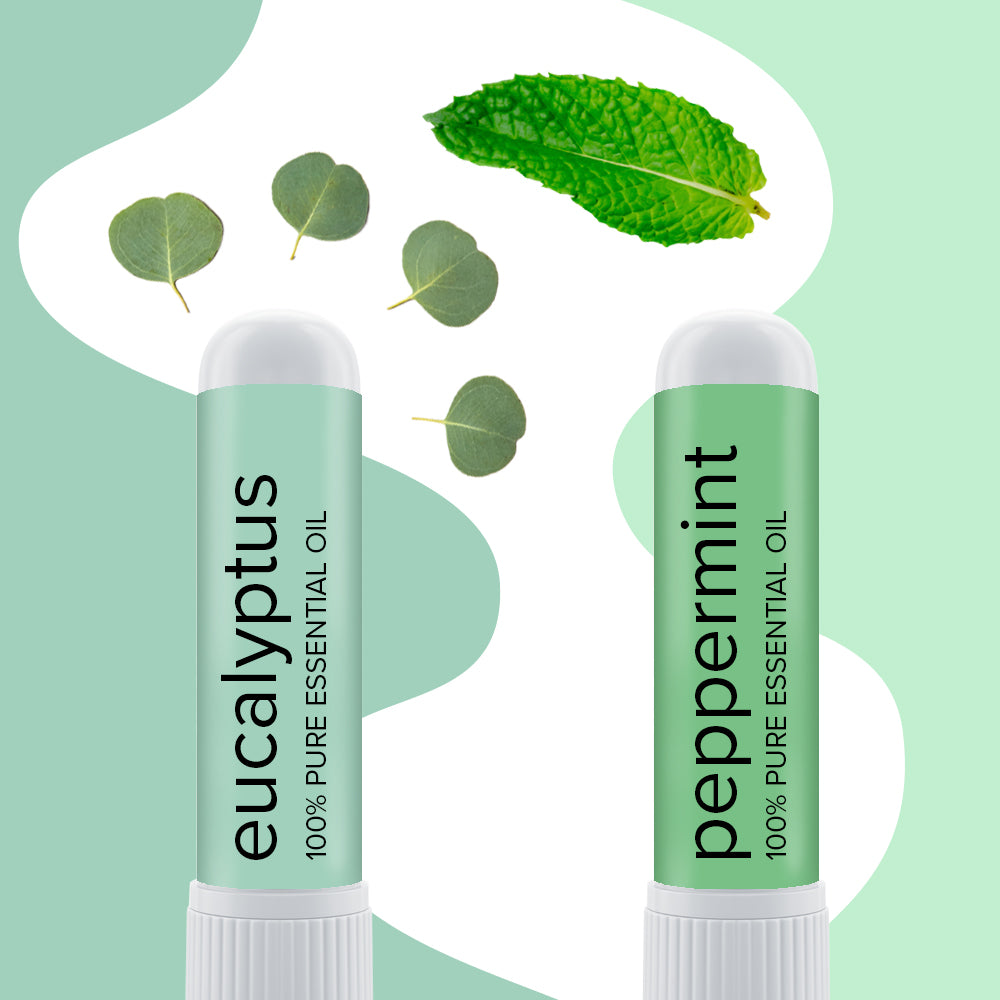
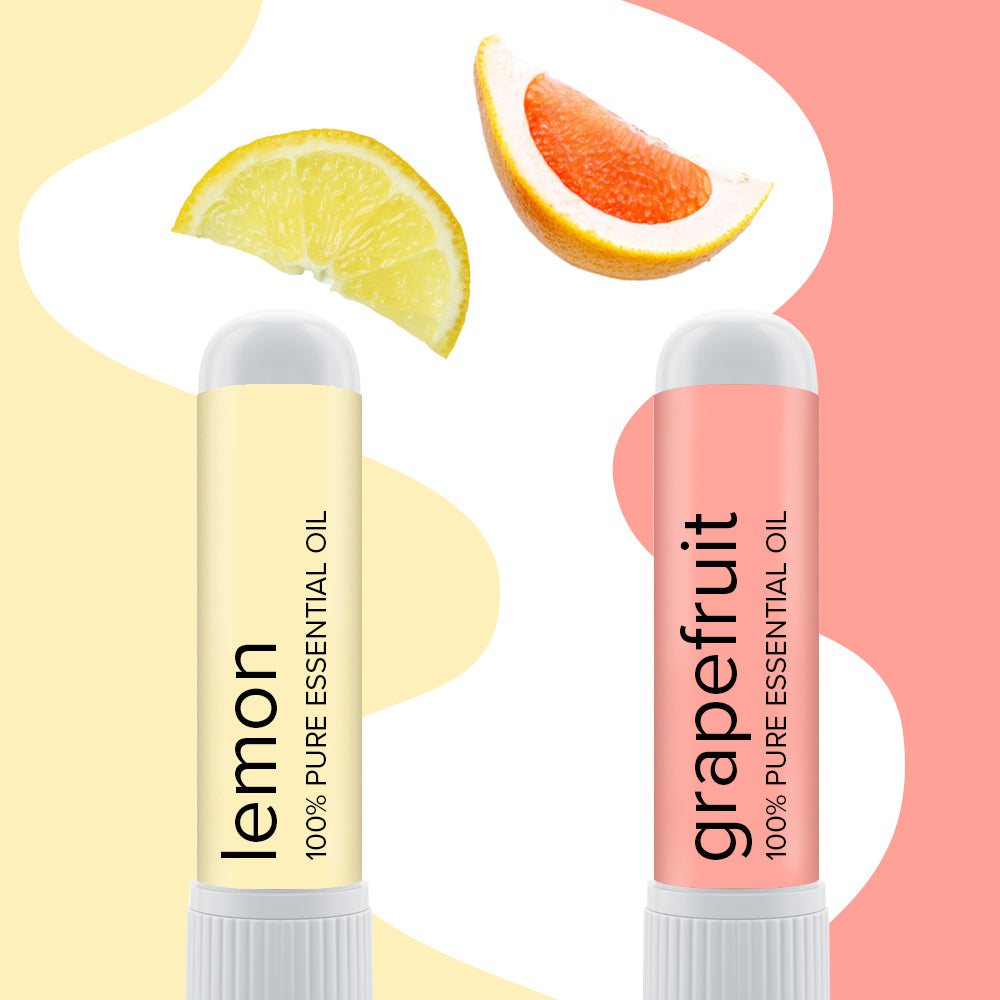
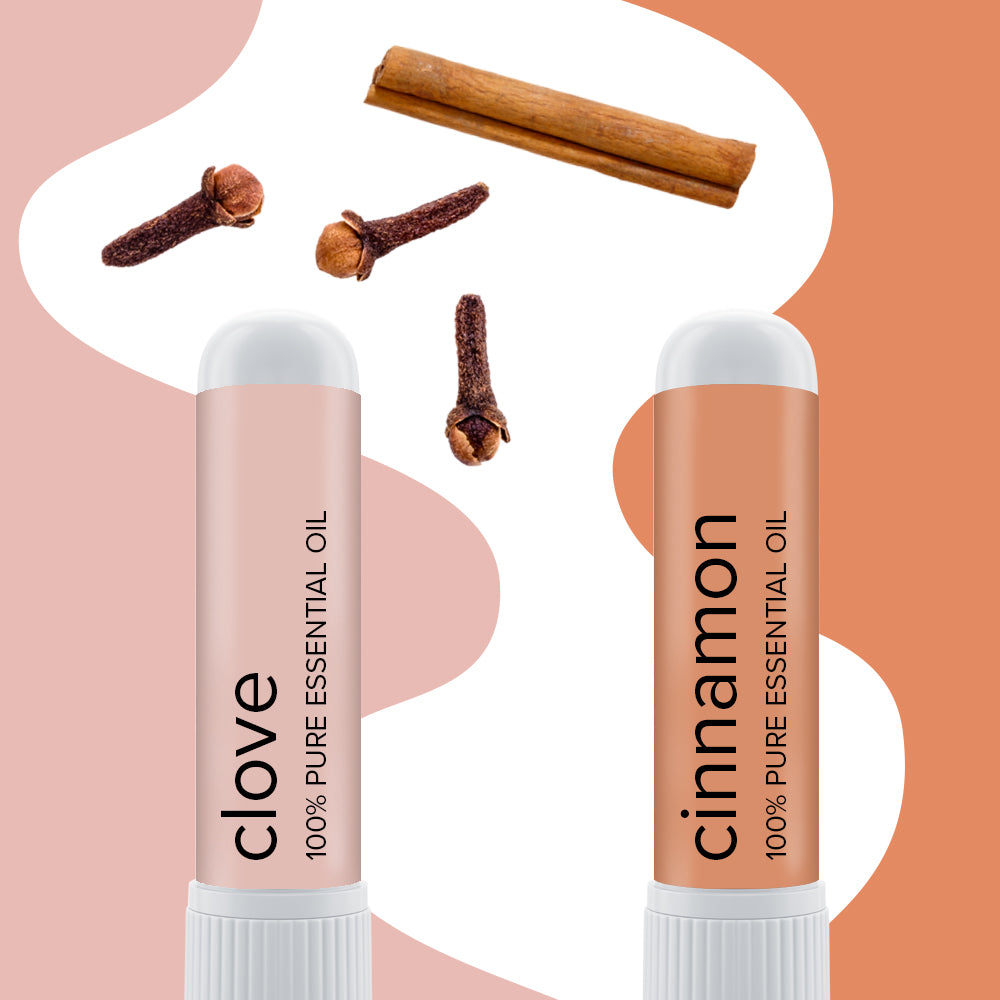
This kit uses four primary scent categories—rose, eucalyptus, lemon, and clove—which represent:
Floral
Resinous
Fruity
Spicy
These essential oils form the foundational aromatic building blocks of smell therapy.
Research-backed olfactory training
Studies show that practicing with similar and repeated aromas helps reinforce your brain’s ability to identify scent families and expand the range of smells you can recognize and differentiate.
Strengthens scent memory & recognition
By repeatedly engaging with each category, your brain begins to better organize scent information—making it easier to identify specific aromas like rose vs. lavender, even though both belong to the floral group.
Supports smell regeneration
Consistent exposure helps stimulate olfactory receptors and supports the natural reactivation of your smell system.
Ideal for beginners
This foundational kit is designed to introduce the primary smell categories before progressing to Phase II for deeper scent diversification.
Why MOXĒ?
Why MOXĒ?
Expand your sensory capabilities with a curated selection of 8 diverse essential oils
Experience deeper scent variety by progressing from the original Smell Therapy Kit to Phase II
Strengthen your ability to recognize and differentiate between odors
Train your sense of smell for improved scent identification and clarity
Build stronger scent-memory connections to help you remember, identify, and recall aromas more effectively
Ingredients
Ingredients
Research shows that adapting training to incorporate similar aromas helps to cement the odor categories (fruity, floral, resinous and spicy) in your brain and expand the scents you’re able to recognize and differentiate between.
This scent diversification makes recognition easier and reinforces your smell system regeneration.
Where you may have once perceived rose as only vaguely floral, with phase II you’ll not only be able to recognize its scent category but also be able to name it as rose and differentiate it from lavender, another floral oil.
Recommended Use
Recommended Use
Find a quiet, relaxing space where you can fully focus without distractions.
Twist open the inhaler of your choice and hold it near your nostrils. Gently inhale for 20–30 seconds, smelling with intention. Try to recall memories, experiences, or emotions connected to that scent.
Stay consistent—rewiring neural pathways takes time. Practice twice daily with all four inhalers for at least 12–16 weeks to support meaningful olfactory improvement.
Track your progress by recording your observations and experiences in the Smell Log provided.
After roughly 3 months of dedicated training with the Phase I Smell Therapy Kit, transition to Phase II and continue following these same steps for deeper scent diversification and enhanced smell recognition.

The four main odor categories that make up our sense of smell
-
Floral
A subtly sweet, soft scent. The Rose essential oil is the perfect scent to embody this category.
-
Resinous
A piney, woodsy, leathery, cool scent similar to pine and balsam fir. Eucalyptus oil represents this category of the Odor prism.
-
Fruity
A sweet, vibrant, citrus-like scent. The Lemon essential oil is used to represent this category.
-
Spicy
A warm, sharp, scent similar to cinnamon. Clove essential oil is classified as being the best scent to represent this category.
Frequently Asked Questions
Can I stick the Inhaler directly in my nose?
We DO NOT recommend sticking the inhaler directly in your nose or making direct skin contact with the tip of the inhaler. The reason is that, in an effort to deliver the strongest possible smell from our inhalers, we do not dilute the Essential Oils that are inside of the inhaler. Essential Oils on their own are extremely potent and can cause skin irritation or discomfort. Please follow the instructions on the packaging to ensure proper use of our product.
How long does each inhaler last?
Our Inhalers are surprisingly long lasting, especially if you are diligent about recapping the product after use. The life span of an inhaler depends on the frequency of use. On average, for an inhaler being used multiple times daily, although the scent rarely ever completely disapears, you will find that the potency begins to diminish after 30 days. During less frequent use, the inhaler will last much longer, up to 3 months or more
Can I refill my MOXĒ Inhaler?
Due to the extreme potency of Pure Essential Oils, we do not recommend attempting to refill your MOXĒ Inhaler.
What if I don't feel the benefits?
It is commonly stated that Essential Oils have been used for a wide range of purposes, including medicinal, therapeutic, and aromatic benefits, for thousands of years. Because of this, the expectation is often that Essential oils will provide instant or dramatic results for everyone.. This is not the case, and it is due to several important factors. Individual Variability: Each person's body and physiology are unique. What works effectively and quickly for one individual may not have the same effect on another. Factors like genetics, age, overall health, and individual sensitivities can all play a role in how a person responds to essential oils.
Specific Needs and Goals: People use essential oils for a wide range of purposes, from relaxation and stress reduction to pain relief and skincare. The effectiveness of an essential oil often depends on whether it addresses the specific needs and goals of the individual. An oil that works well for one purpose may not be as effective for another.
Consistency and Timing: Essential oils sometimes require consistent and regular use over time to produce noticeable results. It's not uncommon for individuals to experience gradual improvements rather than instant or dramatic changes. Patience and consistency are often key to achieving the desired outcome.
Proper Usage: The effectiveness of essential oils also depends on their proper usage. Dilution, application methods, and dosage all play a significant role in how effective an essential oil can be. If not used correctly, an oil may not produce the expected results.
Complex Health Factors: Some health conditions are complex and may require a multifaceted approach to treatment. Essential oils can be a valuable part of a holistic wellness plan, but they may not be the sole solution for more serious or chronic health issues.
Psychological and Emotional Factors: The perception of benefits from essential oils can be influenced by psychological and emotional factors. Aromatherapy is closely tied to our senses and emotions, and a person's mood, expectations, and mindset can affect their perception of an oil's effectiveness.
Safety Considerations: Essential oils should be used safely and in accordance with recommended guidelines. Using too much or applying undiluted oils to the skin can lead to adverse reactions, which may overshadow potential benefits.